Banner

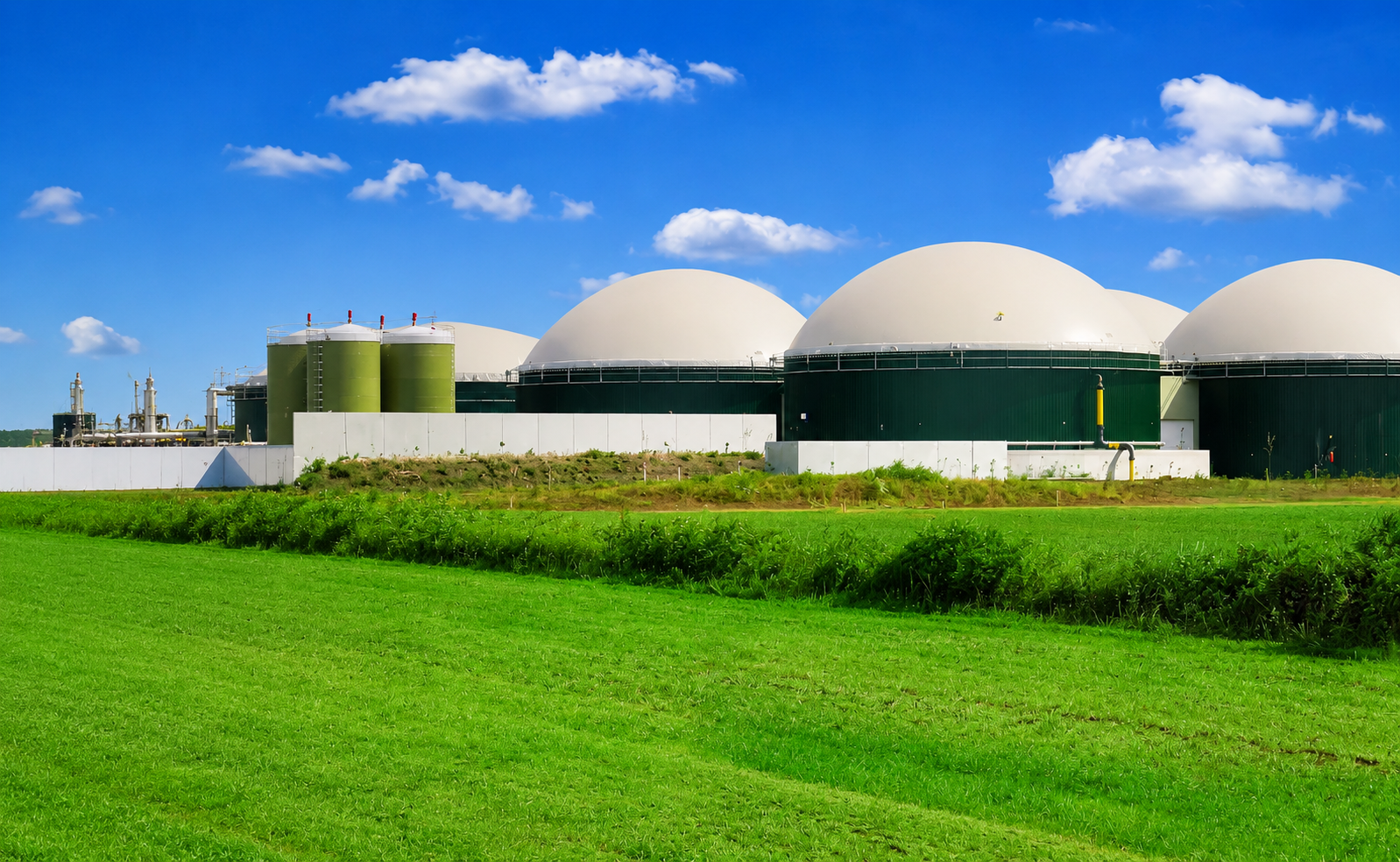
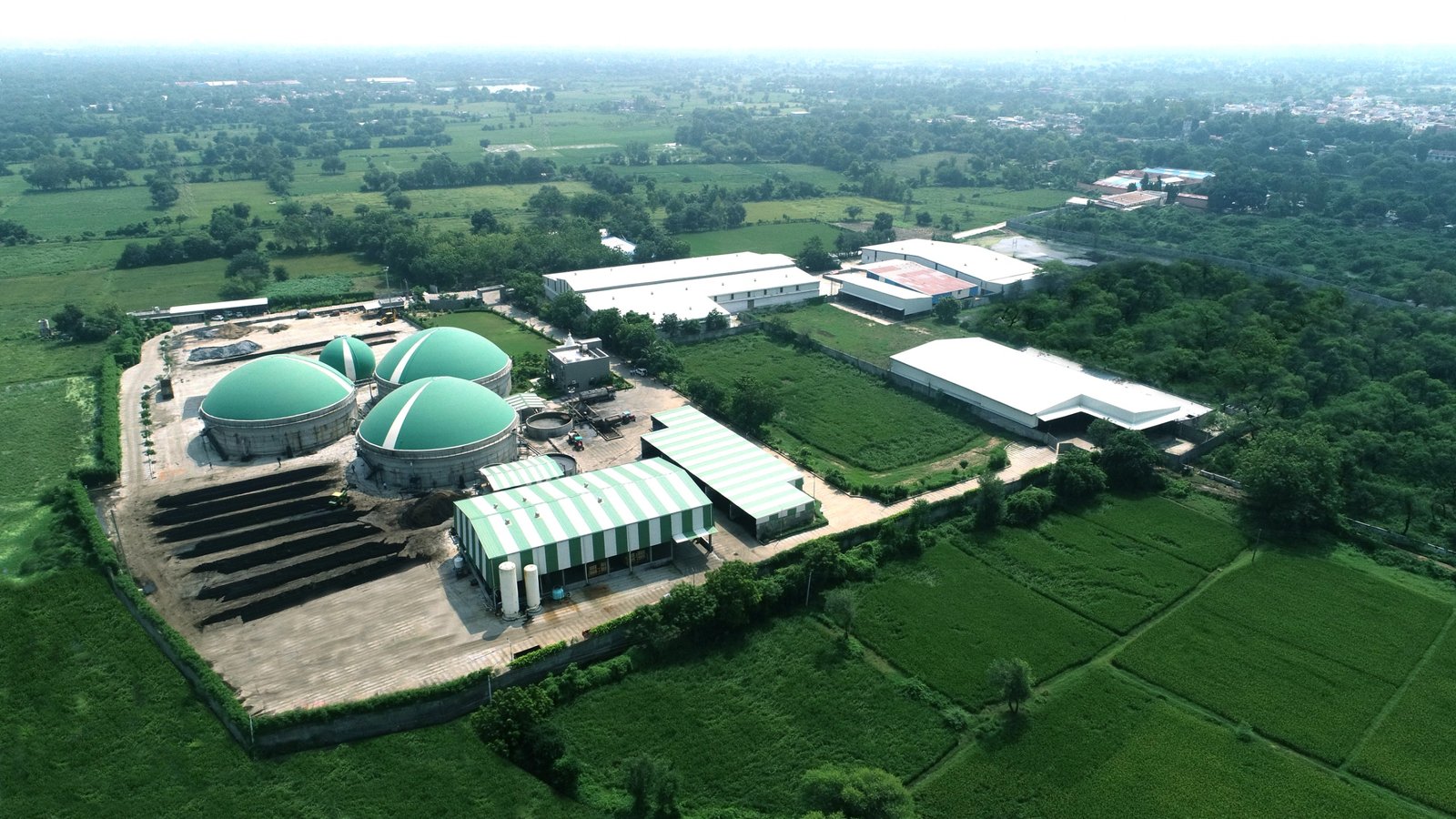
High-Quality Biogas Domes Covers & Storage Balloons – Reliable Solutions in India

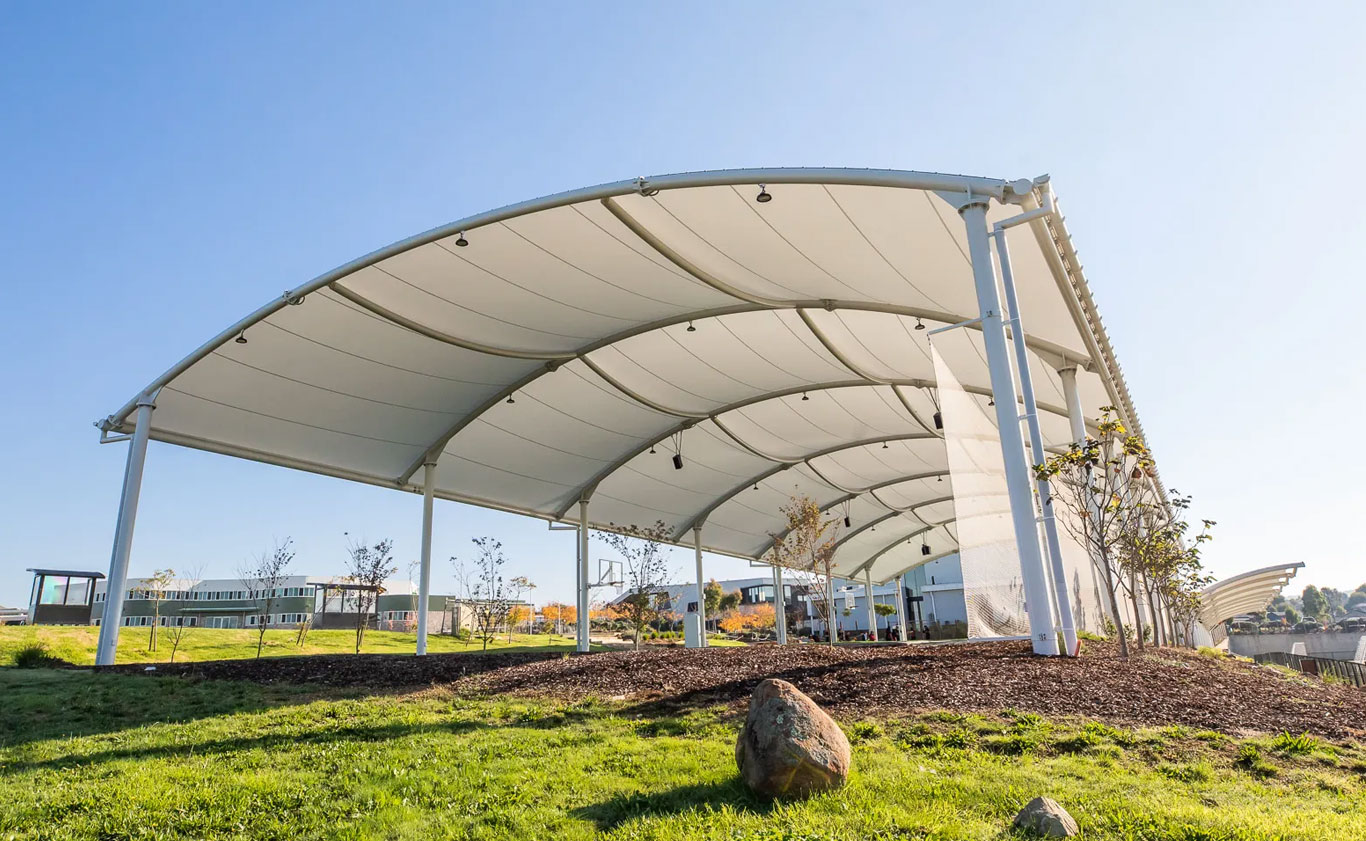
Tensile Structure Example

LUCKY's Biogas Cover Are Unmatched In Terms Of Quality, Flexibility and Durability.

LUCKY's cover solution is perfect for waste-to-energy initiatives, these covers are designed to be gastight for safe for biogas handling. They are made with strong, long-lasting materials to resist tears, punctures, chemicals, and UV rays. LUCKY-TECH Membranes Pvt Ltd has a strong heritage & expertise into specialised production & supply of ENGINEERED PVC / PVDF Coated Fabrics for biogas membranes and storage balloons.


Architectural Membranes

Bio Gas Dome Covers & Liners, Gas Collection Covers, Clarifier Covers, Insulated Covers

Partnered with stock listed & Belgium based SIOEN INDUSTRIES, LUCKY’s Biogas cover and liner systems are unmatched in terms of quality, flexibility and durability.

Our innovative designs span the entire range of liner and cover needs – whether you’re looking for GAS COLLECTION COVERS, CLARIFIER COVERS, INSULATED COVERS, FLOATING COVER for a pond, tank or lagoon, we have a cover or liner design for your application.

Our biogas collection covers & balloons are proven to be among the best in the industry.

Get Your Free Quote Today!

Biogas Plant Fabric

Biogas Dome Plant vs. Biogas Balloon Plant – Which One is Right for You?

The anaerobic treatment process produces biogas, a gaseous fuel consisting mostly of methane that can be converted into green, renewable energy. This valuable resource can be used to generate process heat or electricity, helping to offset energy costs.

In addition to the attractive cost savings, preventing methane from escaping into the atmosphere with a tank or lagoon cover helps the environment by reducing greenhouse gases.

There are high quality PVC Coated Fabrics which are specially produced for the efficient production of the Biogas. Fabrics are treated with suitable chemicals to be resistant to Fire, UV, Weather, Rot and Abrasion.

It is made from special PVC formula which provides high endurance and protection against sun rays and extreme weather conditions. These fabrics are available in ranges from 900 GSM (Grams per Square Meter) till 1300 GSM.

Why Double Membrane is Used

Double Membrane Biogas Balloon/ holders are used for biogas storage. It’s mounted tightly on the roof of the Digester and separated sphere on surface of Land. The Biogas holder system has a double membrane structure.

Outer Membrane Inner Membrane
  1. It is made of PVC coated fabric and produced with special additives that are ultraviolet / Flame retardant / Antibacterial & weather resistant.

  2. The outer membrane is a permanently inflated structure.

  3. The membrane is inflated by the use of electrically operated blowers.

  4. The outer membrane critically controls and maintains the whole system pressure.

  5. Non-return valves are fitted in the air supply line to isolate each blower when in standby mode.

  6. A regulator valve is fitted on the outer membrane exhaust duct.


  7. It also helps the inner membrane for uninterrupted supply of generated gas.


  8. It also protects the inner gas membrane from environmental conditions for continuous working.

  9. In case of any damage to the inner membrane, the biogas doesn’t escape out.

  1. It is made of PVC coated fabric and produced with special additives that are ultraviolet / Flame retardant / Antibacterial & weather resistant.

  2. The inner membrane forms the variable volume gas containment within the outer membrane.

  3. As the volume of stored gas increases, the inner membrane rises to accommodate it.

  4. The pressure within the gas containment is maintained by the air pressure within the outer membrane bearing on the surface of the inner membrane.

  5. The pressure differential across the outer air containment and inner gas containment is minimal.

  6. In the unlikely event of an outside membrane failure, the inner membrane will maintain structural integrity against all loading conditions (internal pressure and environmental).

Properties & More

# Property
1Ideal shelter for aerobic fermentation
2Hydrolytic Resistant i.e. it prevents sparking due to chemical reactions
3Special Lacquering for resistance to Gases such as Methane, Water Hydrogen, Carbon Monoxide, Carbon Dioxide & also resistant to Sulphides and Ammonia
4Lightweight and flexible
5Flame resistant, UV resistant, High abrasion resistance
6Perfect Weldability
7100% Recyclable
8Ease of maintenance
9Durable, Long-lasting

Special Features of Biogas Domes

Our high-quality PVC coated fabrics are treated with suitable chemicals to be resistant to Fire, UV, Weather, Rot and Abrasion. It is made from special PVC formula which provides high endurance and protection against sun rays and extreme weather conditions.

Applications Across India

As a trusted provider of tensile membrane structures, LUCKY-TECH serves a wide range of sectors:

Biogas Cover for Hotels
Biogas Cover for Hostels
Biogas Cover for Hospitals
Biogas Cover for Housing Colonies
Biogas Cover for Dairy Farms
Biogas Cover for Factory Canteens
Biogas Cover for Food Processing Industries
Biogas Cover for Fish & Vegetable Markets & so on...

Frequently Asked Questions

Biogas is a by-product of the decomposition of organic matter by anaerobic bacteriBiogas is typically composed of 60% methane and 40% CO2. It is similar to natural gas which is composed of 99% methane. Biogas is clean and renewable energy that may be substituted for natural gas to cook, to produce vapor, hot water, or to generate electricity. At room pressure and temperature, biogas is in gaseous form, not liquid like LPG (propane). Bottling biogas is a very expensive process.

Biogas is a type of biofuel that is naturally produced from the decomposition of organic waste. When organic matter, such as food scraps and animal waste, break down in an anaerobic environment (an environment absent of oxygen) they release a blend of gases, primarily methane and carbon dioxide.

Organic waste is put into a sealed tank called a digester (or bioreactor) where it is heated and agitated. In the absence of oxygen anaerobic bacteria consume the organic matter to multiply and produce biogas.

Any organic waste has the ability to produce biogas: human excreta, manure, animal slurry, fruit and vegetable waste, slaughterhouse waste, meat packing waste, dairy factory waste, brewery, and distillery waste, etc.

Fiber-rich wastes like wood, leaves, etc. make poor feedstocks for digesters as they are difficult to digest.

Know More About - Tensile Membrane

What Our Clients Say

for PVC/PVDF Products
+91-9820 325 057