
Roll-Up Doors for Industrial Use: Speed, Insulation and Fabric Strength
Roll-Up Doors for Industrial Use: Speed, Insulation and Fabric Strength
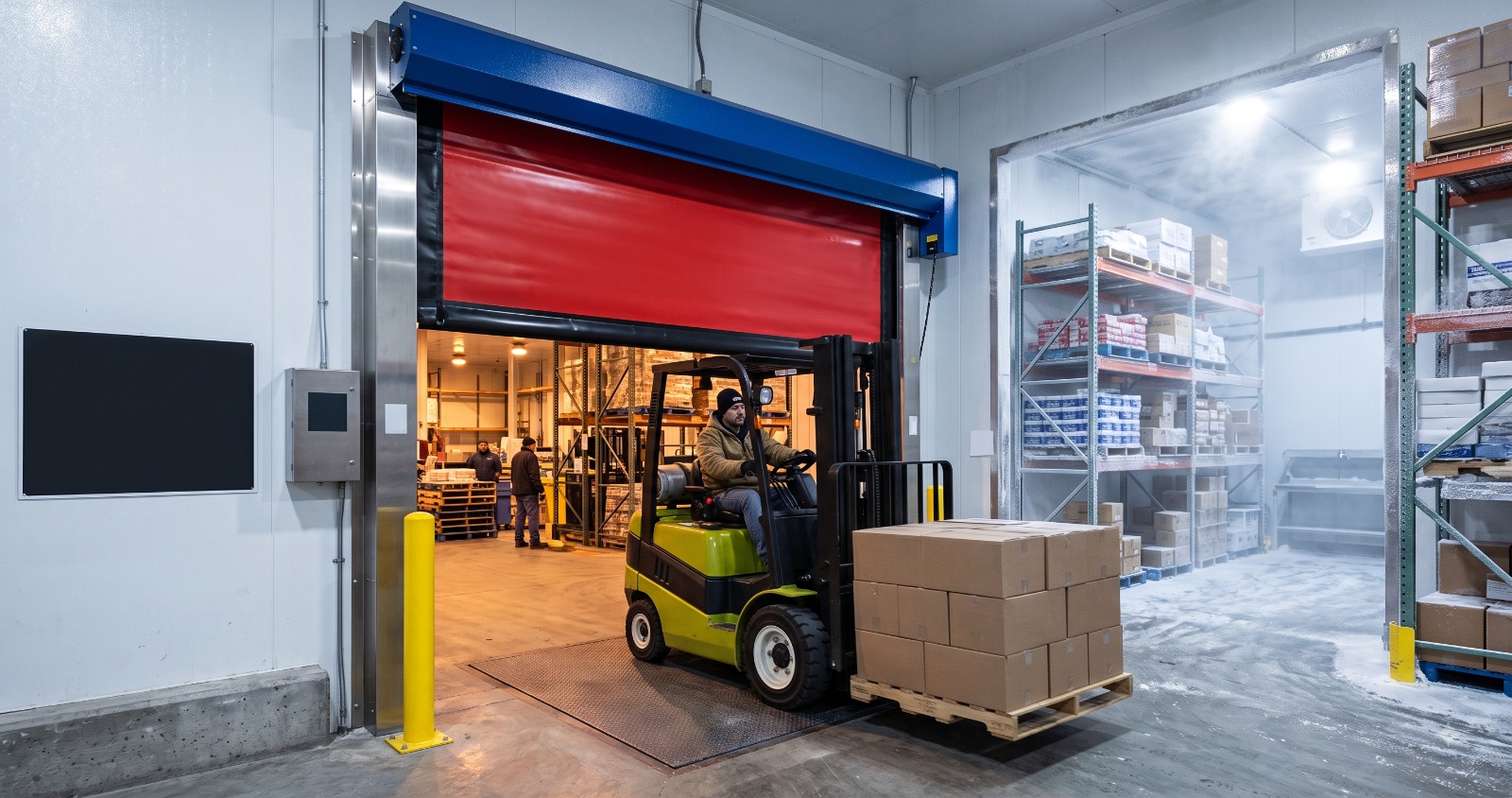
Walk into any busy warehouse, cold store, or logistics hub and you'll notice something: the doors barely stay shut. Forklifts move through every few minutes, delivery trucks back up to the dock all day, and every second the door stays open is a second of temperature loss, dust intake, or a safety risk waiting to happen. That's exactly the problem industrial roll-up doors were built to solve.
If you've ever wondered whether a fabric roll-up door can genuinely outperform a traditional steel roller shutter, the short answer is yes — but it depends heavily on the fabric behind it. Let's get into how these doors actually work, why speed matters more than people assume, and what makes a roll-up door strong enough to survive years of daily industrial use. Along the way, it also helps to understand what separates good also helps to understand what separates good PVC roll up door manufacturers from the rest, since the fabric and build quality are what really decide how the door performs over time.PVC roll up door manufacturers from the rest, since the fabric and build quality are what really decide how the door performs over time.
Get In TouchHow Roll-Up Doors Work
An industrial fabric roll-up door isn't just a soft version of a metal shutter. The mechanism is built around a flexible fabric curtain that winds up onto a roller drum at the top of the doorway, usually driven by a motor with variable speed control. Vertical guide rails on either side keep the curtain tracking straight, while a bottom bar or wind-lock system keeps it stable against gusts and pressure differences when closed.
Because the curtain is fabric rather than rigid slats, it can open and close far faster than a conventional door, and it does so with a smoother, quieter motion. Sensors and safety edges are typically built into the bottom bar, so the door reverses instantly if it senses an obstruction — which matters a lot in areas where forklifts and pedestrians share the same opening.
Speed: Why It's More Than a Convenience
In a regular warehouse doorway, every open-close cycle is a moment where conditioned air, dust control, or pest barriers are compromised. High-speed roll-up doors are designed to open and close in a few seconds rather than the 20-30 seconds a standard shutter might take.
That speed adds up. Over hundreds of cycles a day across a facility, faster doors mean:
- Less conditioned or refrigerated air escaping with every pass
- Fewer bottlenecks at loading docks during peak hours
- Reduced dust, insects, and airborne contaminants entering production or storage areas
- Lower strain on HVAC and refrigeration systems trying to compensate for constant air exchange
For facilities running on tight turnaround times — think cold chain logistics, food processing, or high-throughput distribution centers — this isn't a nice-to-have. It's often the difference between hitting daily output targets and falling behind.
Insulation: Keeping the Environment Where It Belongs
Speed alone doesn't solve everything. A door that opens fast but leaks air when closed still lets the environment inside drift. This is where the fabric construction itself becomes important. Multi-layer PVC and PVDF coated fabrics used in industrial roll-up doors are engineered to resist heat transfer while still remaining flexible enough to roll up tightly.
In cold storage applications especially, the insulating quality of the door fabric directly affects energy consumption. A door that seals well against the frame and doesn't let cold air seep out at the edges reduces the workload on refrigeration units, which over a year can mean a noticeable difference in energy bills.
Fabric Strength: The Part People Underestimate
It's easy to assume a fabric door is inherently weaker than a metal one, but that's not really how it plays out in daily industrial use. What matters is tensile strength, tear resistance, and how the coating holds up to repeated flexing, temperature swings, UV exposure, and abrasion from dust or chemical residue.
A well-made industrial fabric door goes through thousands of open-close cycles a year without cracking, delaminating, or losing its seal. The coating also plays a role in resisting punctures from equipment contact and staying flexible even in cold storage temperatures, where lesser fabrics can turn brittle and crack at the fold lines. This is why the base fabric quality — not just the door design — ends up being the real determinant of how long a roll-up door lasts under constant industrial pressure.
Where Roll-Up Doors Make the Most Sense
Fabric roll-up doors tend to be the go-to choice in:
- Cold storage and refrigerated warehouses, where insulation and fast closing reduce energy loss
- Food processing units, where hygiene and quick access matter
- Logistics and distribution centers with high forklift traffic
- Manufacturing plants needing frequent dock access without slowing production
- Warehouses looking to cut down on dust, pests, and temperature fluctuation between zones
Why Choose Lucky-Tech Membranes Fabric
The performance of any roll-up door ultimately comes down to the fabric it's built with. Lucky-Tech Membranes manufactures PVC and PVDF coated fabrics engineered for exactly this kind of demanding, high-cycle industrial use built to hold their seal, resist wear, and stay flexible across temperature extremes. As one of the fabrics manufacturers and supplier in India working closely with door fabricators, we understand what warehouse and cold storage environments actually demand from a roll-up door fabric. If you're specifying or manufacturing roll-up doors and want a fabric partner that gets it right, it's worth looking at what Lucky-Tech Membranes brings to the table.
FAQs
Are fabric roll-up doors actually faster than regular shutter doors?
Yes, in most cases. Fabric roll-up doors typically open and close in a few seconds, compared to the slower cycle time of rigid slat shutters, thanks to their lighter curtain and motorized roller mechanism.
Do roll-up doors work well for cold storage?
Yes. When made from a properly insulated, tightly sealing fabric, roll-up doors help maintain internal temperature and reduce the load on refrigeration systems, which is why they're widely used in cold chain facilities.
How long does an industrial fabric roll-up door typically last?
It depends largely on fabric quality and cycle frequency, but a well-coated PVC or PVDF fabric can handle years of daily use without cracking or losing its seal, especially in temperature-controlled environments.
Can roll-up doors handle constant forklift and pedestrian traffic?
Yes. Most industrial roll-up doors include safety sensors and reversing bottom bars, allowing them to operate safely in high-traffic areas without slowing down warehouse operations.
Get Your Free Quote Today!