PVDF Fabric for Long-Life Geodesic Dome Covers: What Makes It Last
PVDF Fabric for Long-Life Geodesic Dome Covers: What Makes It Last
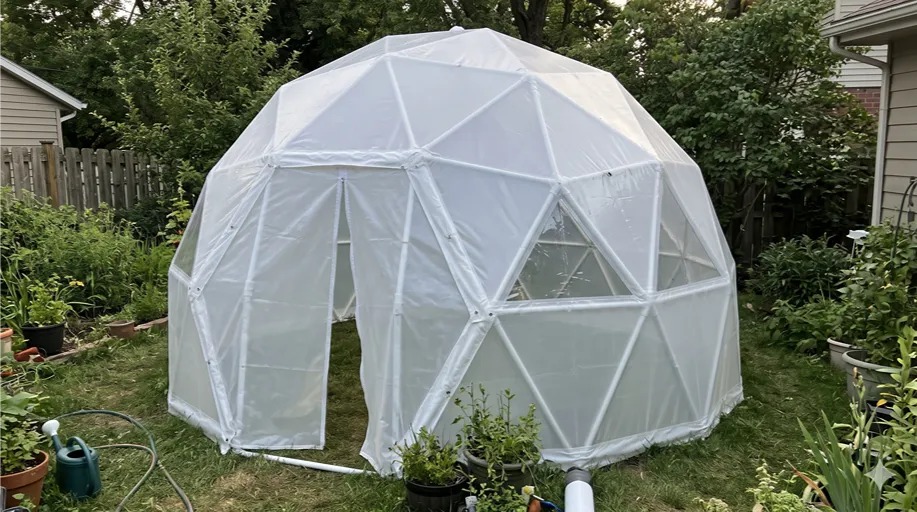
A geodesic dome looks simple from the outside. Many triangles come together to form a smooth, round shape. But the part that faces the sun, rain, wind and dust every single day is the cover. If the cover fails early, the whole dome suffers. That is why the choice of fabric matters so much.
PVDF fabric has become a popular choice for geodesic dome covers because it is built to handle outdoor exposure. In this blog, we explain in simple words what PVDF fabric is, what makes it last, and what to look for when you choose a fabric partner for your dome project.
Get In TouchWhy the Cover Matters in a Geodesic Dome
A geodesic dome is made of many triangular panels. Each panel has to fit well, stay tight and keep out water. The cover is what turns the dome into a usable space. It protects people, plants, equipment or events inside.
Because a dome has a curved shape, the fabric faces the sun from morning to evening. Different parts of the cover get different amounts of light, rain and wind. A fabric that wears out quickly will show cracks, fading or leaks first on these exposed areas. A long-life fabric keeps the dome looking good and working well for a longer time.
What Is PVDF Fabric?
PVDF fabric is a coated technical textile. It starts with a strong woven polyester base. This base is coated with PVC on both sides to make it waterproof and flexible. A PVDF topcoat is then applied on the surface.
PVDF stands for polyvinylidene fluoride. It is a fluoropolymer known for standing up well to sunlight, chemicals and dirt. Think of it as a protective skin over the PVC coated fabric. The base fabric gives strength. The PVC coating gives flexibility and water protection. The PVDF layer protects the surface from the outdoors.
UV Resistance: Handling the Sun Every Day
Sunlight is one of the biggest reasons outdoor fabrics age. Ultraviolet rays slowly break down the surface of many materials. The surface can turn dull, rough or brittle.
The PVDF topcoat is chosen for its strong resistance to UV rays. It helps the surface of the fabric stay stable even after long hours in the sun. For a geodesic dome cover, this is a big advantage. The top of the dome gets the most direct light, and a UV resistant surface helps the fabric keep its look and feel.
Weather and Water Protection
A dome cover must keep rain out and handle changing weather. PVC coated fabric is naturally waterproof. The coating seals the woven base so water cannot pass through. Because the fabric is flexible, it also moves with the wind without cracking easily.
The curved shape of a dome helps rain run off. A smooth PVDF surface helps water slide away, so it does not sit on the fabric for long. This is useful in areas with heavy monsoon rain as well as in places with strong sun and sudden storms.
A Surface That Stays Cleaner
Dust, smoke, bird droppings and air pollution can settle on any outdoor cover. On many fabrics, this dirt sticks and leaves stains. PVDF has a smooth, low-stick surface. Dirt has a harder time holding on to it.
This means a PVDF dome cover can often be cleaned with plain water and a soft brush or cloth. It also means the fabric keeps a fresh look for longer. For domes used for events, hospitality, gardens or exhibitions, a clean look is a big part of the first impression.
Strength From the Base Fabric
Looks are not enough. A dome cover also has to carry stress. Wind pulls on it, and the fabric has to stay in place. The woven polyester base in PVDF fabric gives it the tensile strength to do this.
Tensile strength simply means how well the fabric resists being pulled apart. Strong base yarns, tightly woven and evenly coated, help the cover stay stable and keep its shape across all the triangular panels.
Weldable Panels for Neat Dome Covers
A geodesic dome cover is not one flat sheet. It is cut into many panels and joined together. Good PVC coated fabric is made to be welded, using heat and pressure, to form clean, strong seams.
When the fabric is cut accurately and welded carefully, the seams stay watertight and the panels fit the dome shape well. This is why fabric quality and fabrication quality go together. Even the best fabric needs careful cutting and welding to give a long-life result.
Colour That Lasts
Faded colour makes a dome look old long before it actually is. Pigments in the coating, along with the protective PVDF surface, help the colour stay even. Whether you need a clean white dome for a glamping site or a coloured one for a brand event, a stable surface helps the cover look the same over time.
Looking After a PVDF Dome Cover
PVDF fabric does not need heavy care, but a few simple habits help it last longer.
- Wash the cover with clean water and a mild soap when dust builds up.
- Use a soft brush or cloth. Avoid sharp tools and rough scrubbing.
- Do not use harsh solvents or strong cleaners on the surface.
- Check the seams and edges from time to time, so small issues are fixed early.
- Keep sharp objects and open flames away from the fabric.
These small steps cost very little effort and help the cover keep its performance.
What to Look for in a Geodesic Dome Cover Fabric Manufacturer
The fabric you pick is only as good as the team behind it. When you talk to a Geodesic dome cover Fabric manufacturer, it helps to check a few things:
- Do they work with proper PVC and PVDF coated fabrics made for outdoor use?
- Can they cut and weld the panels to your dome pattern?
- Do they support your exact size, colour and finish needs?
- Are they clear about the fabric they are offering?
A partner who understands both the material and the dome shape can save you from problems later. It also helps if they can supply fabric and finished panels from one place, so your project stays simple.
Why Choose LUCKY-TECH Membranes
If you are looking for a PVC Fabric manufacturer for dome projects, LUCKY-TECH Membranes is built around exactly this kind of work. Our PVC and PVDF coated fabrics are engineered by SIOEN Industries of Belgium, a name known for technical textiles. We take that fabric and shape it into finished products at our own facility, with in-house design, cutting and welding done to your specification.
As a Geodesic dome cover Fabric manufacturer, we focus on the fabric itself. We help you choose between PVC and PVDF coated options based on how and where your dome will be used. Our team works with dealers, vendors and businesses who need fabric panels that fit well and last in outdoor conditions.
If you have a geodesic dome project in mind, reach out to LUCKY-TECH Membranes with your dome size, use and location, and we will help you with the right fabric for it.
Get Your Free Quote Today!