
What is PVC Coated Fabric? A Complete Material Guide
What is PVC Coated Fabric? A Complete Material Guide
What Is PVC Coated Fabric? A Complete Guide
PVC coated fabric shows up in more places than most people realise, from tensile roofs and awnings to truck covers and pond liners. But what actually is it, and what makes it different from ordinary fabric? This guide breaks down what PVC coated fabric is, what it's made of, and where you'll typically find it in everyday use.
Get In TouchWhat is PVC Coated Fabric?
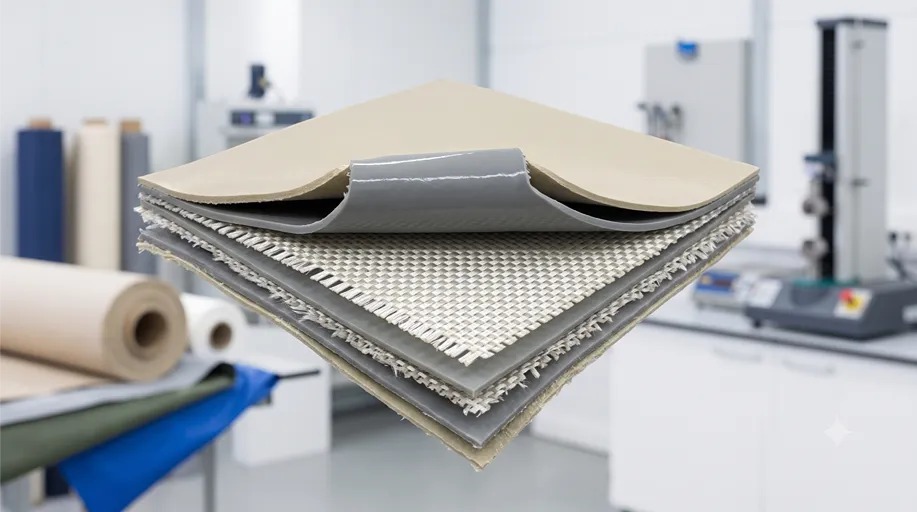
PVC coated fabric is a technical textile made by bonding a layer of PVC (polyvinyl chloride) onto a base fabric, usually polyester. The result is a material that combines the flexibility and strength of woven fabric with the weather resistance and durability of a plastic coating. It's designed to handle outdoor conditions like sun, rain, and wind far better than uncoated textiles, which is why it's the material of choice for structures and covers that need to perform for a long time with minimal upkeep.
What is PVC Fabric Made Of?
At its core, PVC coated fabric has two main components working together:
The base fabric. This is typically a woven polyester yarn, chosen for its high tensile strength and resistance to stretching. The weave gives the finished material its structural strength and helps it hold shape under tension.
The PVC coating. A layer of PVC is applied to both sides of the base fabric, sealing the weave and giving the material its water resistance, flexibility, and surface finish. This coating is what protects the fabric underneath from moisture, UV exposure, and general wear.
Together, these two layers create a material that's lightweight compared to rigid alternatives, yet strong enough to be used in large-scale structures. Depending on the intended use, coated fabrics can also come with additional surface treatments to improve UV stability or ease of cleaning.
Key Properties of PVC Coated Fabric
A few characteristics explain why PVC coated fabric is so widely used across industries:
- Water resistance. The PVC coating creates a waterproof barrier, making it well-suited for covers, roofing, and outdoor structures.
- Flexibility. Unlike rigid materials, coated fabric can be folded, rolled, and shaped, which makes it practical for tensile structures, awnings, and covers of all sizes.
- Durability. The combination of a strong woven base and a protective coating helps the material stand up to outdoor exposure.
- Lightweight strength. It offers a strong strength-to-weight ratio, which is especially useful in large-span structures like tensile roofs and canopies.
- Easy maintenance. The smooth coated surface is simple to clean with just mild soap and water, without needing specialised products.
Where is PVC Coated Fabric Used?
Because of these properties, PVC coated fabric is used across a wide range of applications:
- Tensile structures and canopies for shaded seating areas, entrances, and open-air venues
- Truck covers and tarpaulins for protecting cargo during transport
- Awnings and car parking shades for outdoor coverage in residential and commercial spaces
- Roll-up doors for warehouses, factories, and industrial units
- Pond liners and flexi tanks for water containment
- Oil booms for containing spills on water
- Inflatable structures where lightweight, flexible material is essential
This range is part of why PVC coated fabric has become such a go-to material across construction, industrial, agricultural, and commercial projects alike.
PVC vs PVDF Coated Fabric: A Quick Note
You may also come across PVDF (polyvinylidene fluoride) coated fabric, which is often applied as a topcoat over the PVC layer for extra surface protection. Both PVC and PVDF coated fabrics serve similar purposes and share the same underlying base fabric structure, with the coating choice depending on the specific project and environment. A reliable PVC & PVDF Coated Fabric Suppliers partner can help guide which option fits your particular use case.
Sourced from SIOEN
Material quality starts with where the coated fabric comes from. Lucky International works with coated textiles engineered by SIOEN Industries, a Belgium-based technical textiles group recognised as a leading name in the industry. Sioen produces a wide range of technical textiles, including PVC-coated fabrics, and supplies them to markets spanning transport, construction, marine, agriculture, and more. The company is known for its strong emphasis on research and rigorous in-house testing, which helps ensure the coated fabric meets consistent quality and performance standards before it reaches finished products.
Lucky International brings this SIOEN-engineered material into the Indian market and shapes it into finished products suited to each project's needs, from tensile structures to covers and liners. This sourcing relationship is part of what allows Lucky International to offer a consistent standard of PVC and PVDF coated fabric across its full product range.
Choosing the Right Coated Fabric Supplier
Since PVC coated fabric is used in structures meant to last for years, sourcing it from an experienced manufacturer matters. A good coated fabric partner should offer a genuine range of products, from tensile membranes to truck covers, and be able to guide you through material selection based on your specific application, climate, and usage conditions.
Lucky International is an established name among Fabrics Manufacturers and Supplier in India, offering a wide range of PVC and PVDF coated fabric products across tensile structures, covers, liners, and more. Working with a supplier that understands both the material and its real-world applications makes it much easier to choose the right fabric for your project.
Frequently Asked Questions
Is PVC coated fabric waterproof?
Yes, the PVC coating creates a waterproof barrier over the base fabric, which is why it's widely used for outdoor covers, roofing, and liners.
How long does PVC coated fabric typically last outdoors?
With basic care, such as periodic cleaning, PVC coated fabric is built to perform well under regular outdoor exposure to sun, rain, and wind.
What's the difference between PVC and PVDF coated fabric?
PVDF is often used as an additional topcoat over PVC for extra surface protection, while both share the same base fabric construction and serve similar applications.
Can PVC coated fabric be used for both indoor and outdoor projects?
Yes, it's suited to both, though it's especially valued for outdoor applications where water resistance and durability matter most.
Get Your Free Quote Today!