What Is PVC Coated Fabric? A Complete Guide
What Is PVC Coated Fabric? A Complete Guide
Walk past a truck on the highway, a large event tent, a rolling shutter at a warehouse or a water storage tank, and there is a good chance you are looking at PVC coated fabric. It is one of the most widely used industrial textiles in the world, yet most people have never stopped to ask what it actually is. This guide explains what PVC coated fabric is, how it is made, what makes it so durable, where it is used, and how to choose the right grade for your project.
Get In TouchWhat Is PVC Coated Fabric?
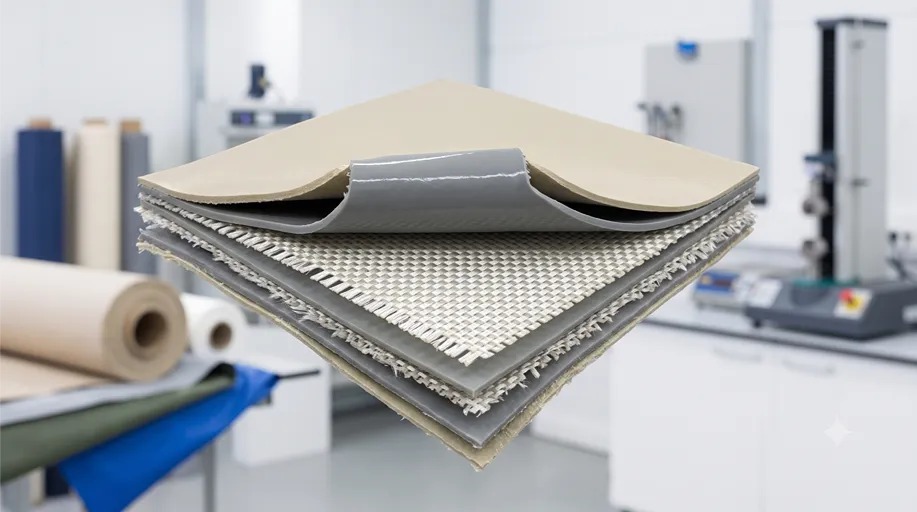
PVC coated fabric is a composite material. It has a woven base fabric, usually high-tenacity polyester, that is coated or laminated on both sides with polyvinyl chloride (PVC). The base fabric supplies strength and dimensional stability. The PVC layer supplies waterproofing, flexibility, chemical resistance and protection against the weather.
The result is a flexible sheet that is strong like a textile, yet waterproof and easy to weld like a plastic. That combination is why it is the material of choice for structures and covers that must stay outdoors for years.
You may also see it called PVC coated polyester, PVC tarpaulin, PVC membrane or vinyl coated fabric. The names differ by industry, but the construction is broadly the same.
How Is PVC Coated Fabric Made?
The manufacturing process determines how well the fabric performs, so it is worth understanding the basics.
1. Base fabric selection. A high-tenacity polyester yarn is woven into a scrim, which is an open, strong weave. The yarn denier and the thread count decide the tensile strength, tear resistance and weight of the finished fabric.
2. PVC compound preparation. PVC resin is blended with plasticizers for flexibility, stabilizers for heat and light resistance, and pigments for colour. Additives can be included for specific needs, such as UV protection, fire retardancy and anti-fungal behaviour.
3. Coating or laminating. The compound is applied to the base fabric by knife-over-roll coating or by calendering and laminating films onto the fabric. Both faces are covered so that the yarns are sealed against water and dirt.
4. Finishing. The surface may receive a top lacquer. Acrylic lacquers help keep the surface cleaner, while PVDF lacquers give higher resistance to dirt, UV and ageing. The fabric is then cured, inspected and rolled.
PVC vs PVDF: What Is the Difference?
PVDF stands for polyvinylidene fluoride. In PVC and PVDF fabric, the PVDF is normally a thin fluoropolymer top coat applied over the PVC layer, not a replacement for it.
PVC alone is already tough and economical. Adding a PVDF finish gives a smoother, low-surface-energy skin. Dirt does not stick as easily, rain washes the surface cleaner, colours hold better and the fabric resists ageing from sunlight and pollution. This is why PVDF-finished fabrics are popular for architectural membranes and structures where appearance matters for a long time. For simple covers and short-term use, a standard PVC or acrylic-finished fabric is often sufficient.
Key Properties of PVC Coated Fabric
- High tensile and tear strength. The polyester scrim handles heavy loads and wind pressure.
- Waterproof and airtight. Sealed coating on both sides keeps water and air out, or in.
- Weldable. Panels can be joined by high-frequency welding or hot-air welding, which produces seams that are often as strong as the fabric itself.
- Weather and UV resistance. Stabilizers and, where required, lacquers protect against sunlight and rain.
- Chemical and abrasion resistance. It copes with many oils, mild acids, alkalis and everyday wear.
- Flame-retardant options. Fire-retardant grades are available when the application calls for them.
- Colour and print options. Fabrics can be produced in many colours and can be printed for branding.
- Easy to clean. A smooth surface can usually be washed with water and mild detergent.
Exact performance depends on the grade, weight (measured in grams per square metre) and the finish. Always check the technical data sheet for the figures that matter to your design.
Common Applications of PVC Coated Fabric
Tensile Structures and Architectural Membranes
Tensile structures such as canopies, walkway covers, car parking shades and stadium roofs depend on fabric that stays taut under load. A tensile fabric manufacturer typically supplies heavier PVC coated polyester, often with a PVDF finish, so the membrane keeps its tension, strength and appearance for years.
Tents and Temporary Shelters
Exhibition halls, wedding marquees, relief shelters and industrial storage tents all rely on waterproof, flame-retardant and easy-to-erect fabric. A reliable tent fabric manufacturer balances weight, strength and fire safety so the fabric is practical to transport and safe to use.
Truck Cover Fabric
Truck covers protect cargo from rain, dust and sun over long journeys. Truck cover fabric needs good tear strength, abrasion resistance and flexibility so it can be folded, tied down and exposed to wind at speed without failing. Weldable seams and reinforced edges help covers last longer on the road.
Roll Up Door Fabric
High-speed and industrial doors use roll up door fabric that must flex repeatedly without cracking. Here, flexibility, wind resistance, abrasion resistance and clean welded seams are all important. Many such doors also include transparent vision panels made of PVC.
Biogas Dome and Air Dome Applications
An airtight, gas-tight membrane is essential for flexible gas storage. A biogas dome manufacturer uses PVC or PVDF coated membranes to form the dome that holds biogas above a digester. The fabric must resist UV, moisture and the chemical environment around the gas. In the same way, Air Dome India projects such as air-supported structures rely on strong, airtight welded membranes that hold their shape under internal air pressure. Because these structures depend on seam quality and fabric consistency, welding expertise matters as much as the material itself.
Tank Liner and Pond Liner
A tank liner protects the inside of a tank or forms a flexible tank on its own. A pond liner keeps water in lagoons, farm ponds, fish ponds and storage reservoirs. Both need a waterproof, flexible membrane that is resistant to water, sunlight (when exposed) and, depending on the use, to specific chemicals. Proper installation, with well-prepared ground and welded seams, is critical for a long service life.
Flexi Tank
A flexi tank is a flexible bag placed inside a shipping container to carry bulk non-hazardous liquids. Strong, leak-proof welded construction is essential, since the material is under internal pressure during transport and handling.
Other common uses include inflatable products, industrial curtains, pool covers, banners and hoardings, agricultural covers and protective covers for machinery.
How to Choose the Right PVC Coated Fabric
Choosing the wrong grade is the most common reason for early failure. Consider these points before you order.
Application and load. Define what the fabric must do. A tent roof, a gas dome and a truck cover each need a different balance of strength, weight and flexibility.
Weight (GSM) and strength. Heavier fabrics generally offer higher tensile and tear strength, but they cost more and are harder to handle. Match the weight to the structural requirement, not to guesswork.
Top finish. For long outdoor life and clean looks, ask about a PVDF or acrylic finish. For short-term or less visible uses, a standard finish may be enough.
Fire and safety requirements. Check whether flame-retardant behaviour is mandatory for your project, then confirm the fabric's compliance with the relevant standard.
Environment. Intense sunlight, coastal air, chemicals, extreme heat or cold and constant abrasion all affect which formulation works best.
Weldability and fabrication. Ask how seams will be joined and tested. Welded seams determine how well the finished product performs, so fabrication quality is as important as the roll of fabric.
Documentation. Request technical data sheets and test information so you can compare options on facts rather than on price alone.
Care and Maintenance Tips
PVC coated fabric is low maintenance, but a little care extends its life considerably.
- Clean it periodically with water and a mild detergent using a soft brush or sponge. Avoid harsh solvents and abrasive tools.
- Inspect seams, eyelets and edges regularly, and repair small damage early before it spreads.
- Avoid sharp objects and dragging the fabric across rough surfaces.
- Store clean, dry and loosely rolled or folded, away from direct heat.
- For tensioned structures, check that tension remains correct, since sagging fabric collects water and wears faster.
Is PVC Coated Fabric Sustainable?
PVC coated fabric has a long service life, and durability is itself a sustainability advantage because products need replacing less often. Many PVC products can also be repaired by re-welding patches. Recycling options for PVC textiles are developing and vary by region, so it is worth asking suppliers about end-of-life handling. Choosing the correct grade for the job, instead of an inexpensive one that fails early, is one of the most practical ways to reduce waste.
Why Choose LUCKY-TECH Membranes
PVC coated fabric is only as good as the specification behind it and the workmanship that turns rolls into finished products. Whether you need a PVC & PVDF fabric manufacturer for structural membranes, a supplier of truck covers and door fabric, or custom-fabricated tank liners, pond liners and flexi tanks, it helps to work with a team that understands both the material and the application.
LUCKY-TECH Membranes works in this field of PVC and PVDF membranes. If you are planning a project and are unsure which fabric, weight or finish suits it, share your application, size and site conditions with the team and ask for a recommendation along with the technical data.
Frequently Asked Questions
What is PVC coated fabric made of?
It is made of a woven polyester base fabric coated on both sides with polyvinyl chloride compound, often with a lacquer finish on top.
Is PVC coated fabric waterproof?
Yes. The sealed coating on both sides makes it waterproof, and welded seams keep the joins watertight.
How long does PVC coated fabric last?
Lifespan depends on the grade, finish, climate and how it is installed and maintained. Higher-grade fabrics with UV protection and PVDF finishes are generally designed for longer outdoor life.
What is the difference between PVC and PVDF coated fabric?
PVC provides the main waterproof coating. PVDF is a surface finish applied over it that improves dirt resistance, colour retention and ageing performance.
Can PVC coated fabric be repaired?
Yes. Small tears and damaged areas can usually be repaired with patches that are welded or bonded.
Get Your Free Quote Today!