
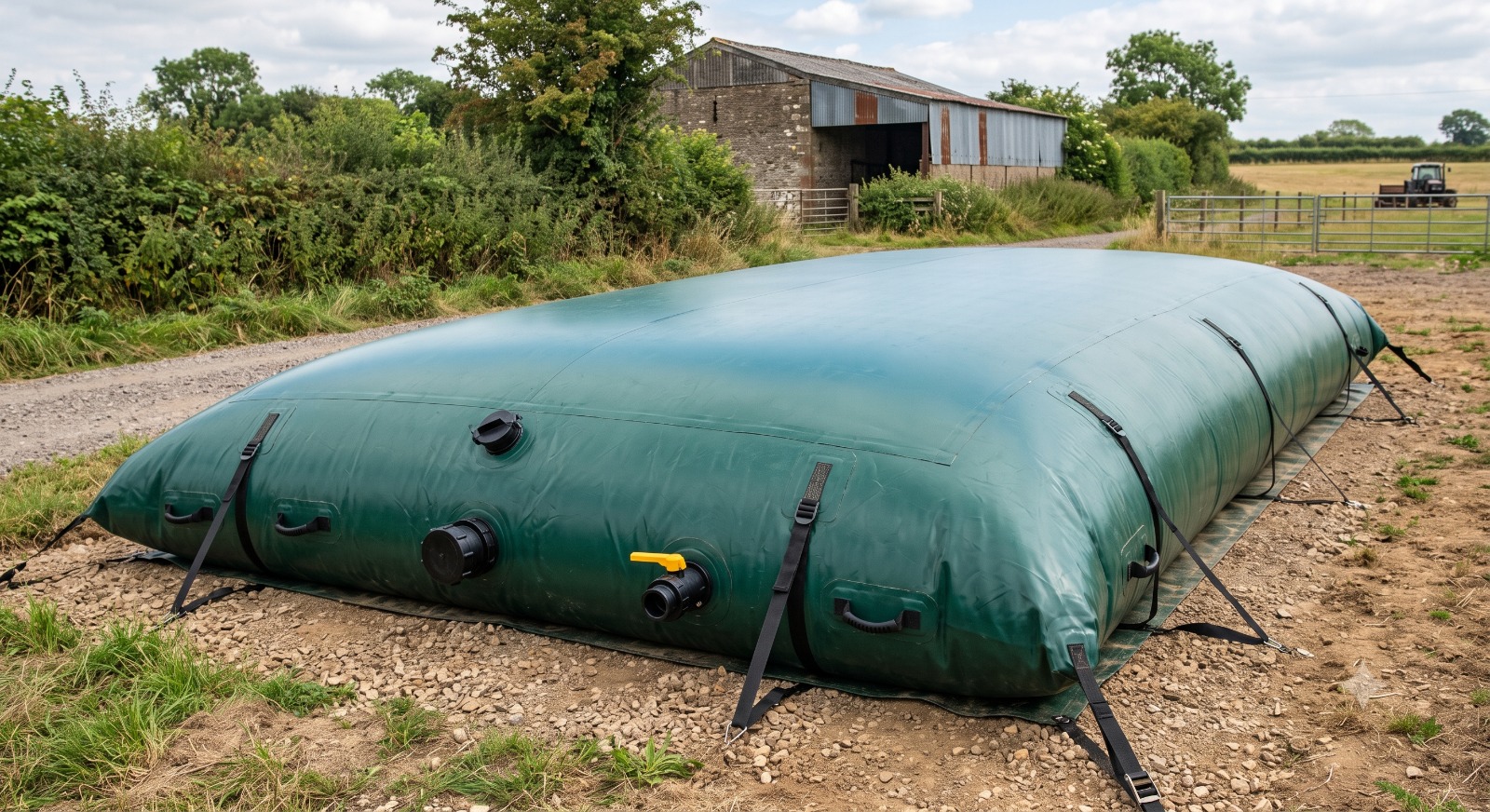
Flexi Tank Fabric: How Coated Textiles Enable Safe Bulk Liquid Transport
Flexi Tank Fabric: How Coated Textiles Enable Safe Bulk Liquid Transport
If you've ever wondered how thousands of litres of edible oil, wine, or industrial liquid travel halfway across the world inside a standard shipping container without a single drop leaking out, the answer isn't some complicated tank system. It's a flexible, coated bag — and the fabric it's made from is doing almost all of the work.
That fabric is called flexi tank fabric, and it's one of those quiet engineering solutions that most people never think about until they need it. So let's break down what it actually is, why it matters, and why the fabric quality behind it decides whether a shipment arrives safely or turns into a costly mess.
Get In TouchWhat Is a Flexi Tank, Really?
A flexi tank (short for flexitank) is a large, flexible bladder installed inside a standard shipping container. Once filled, it turns a regular container into a mini tanker capable of carrying non-hazardous bulk liquids — things like vegetable oils, glycerin, wine, juice concentrates, and various chemical liquids.
The tank itself isn't rigid. It relies entirely on the strength, flexibility, and chemical resistance of the fabric it's built from. This is where PVC and PVDF coated fabric enters the picture.
Why the Fabric Matters More Than the Design
A lot of buyers assume flexitank performance comes down to size or shape. In reality, the fabric is the single biggest factor separating a tank that performs for the entire journey from one that fails midway.
A good flexi tank fabric needs to handle a demanding combination of stresses at once:
- High tensile strength to hold the weight of thousands of litres without stretching or tearing
- Puncture and abrasion resistance for rough handling during loading, transit, and unloading
- Chemical compatibility with the liquid being carried, so the coating doesn't degrade or react
- Flexibility in cold and hot conditions, since containers travel through very different climates
- Airtight, leak-proof sealing, which depends heavily on how well the coating bonds to the base fabric
This is exactly why serious PVC & PVDF coated fabric manufacturers invest so much into the coating process itself, not just the base weave. A woven polyester base gives the tank its strength, while the PVC or PVDF coating layer gives it the barrier properties that actually keep the liquid contained.
This is a big reason why buyers sourcing flexi tank fabric look specifically for established fabric manufacturers and suppliers in India, rather than generic textile vendors. Bulk liquid transport isn't forgiving — a coating flaw that would be a minor issue on a truck cover becomes a serious liability when it's holding a large volume of liquid at sea.
The Coating Process Behind Safe Bulk Transport
Coated textiles used in flexi tanks go through multiple layers of lamination, where the base fabric is bonded with PVC or PVDF compounds under controlled heat and pressure. The result is a material that behaves nothing like ordinary tarpaulin it's engineered specifically to hold liquid under sustained pressure for the full duration of ocean transit.
Where Lucky-Tech Membranes Fits In
At Lucky-Tech Membranes, this is the exact challenge the fabric is built around — not just meeting a spec sheet, but holding up under the real, unpredictable conditions of long-distance bulk transport. As one of the more established Flexi Tank fabric manufacturers, the focus stays on getting the coating bond, flexibility, and chemical resistance right, because that's what actually determines whether a shipment reaches its destination intact.
Who Actually Needs Flexi Tank Fabric?
This isn't a niche product limited to one industry. Flexi tanks and the coated fabric behind them are used by:
- Edible oil exporters and importers
- Wine and beverage concentrate shippers
- Chemical and industrial liquid transporters
- Logistics companies offering bulk liquid freight solutions
- Tank fabricators building custom flexitanks for specific clients
If your business deals with any kind of bulk liquid movement, understanding the fabric — not just the finished tank — helps you ask the right questions before you commit to a supplier.
Frequently Asked Questions
Is flexi tank fabric reusable?
Most flexi tanks are designed for single-use due to hygiene and safety standards, especially for food-grade liquids, though some industrial variants are built for limited repeat use.
What's the difference between PVC and PVDF coating for flexi tanks?
PVC coating works well for a broad range of general liquids and is more cost-effective, while PVDF offers better resistance to harsher chemicals and UV exposure, making it suited to more demanding cargo.
How much liquid can a standard flexitank hold?
It depends on the design and the container specifications, but a standard flexitank is built to carry a substantial bulk volume in a single shipment.
Can any container be fitted with a flexitank?
Not quite — the container needs to be structurally sound, free of major dents or rust, and suitable for flexitank use as per shipping line guidelines.
Get Your Free Quote Today!