
How Coated Fabric Withstands Abrasion and Weather on Long-Haul Transport
How Coated Fabric Withstands Abrasion and Weather on Long-Haul Transport
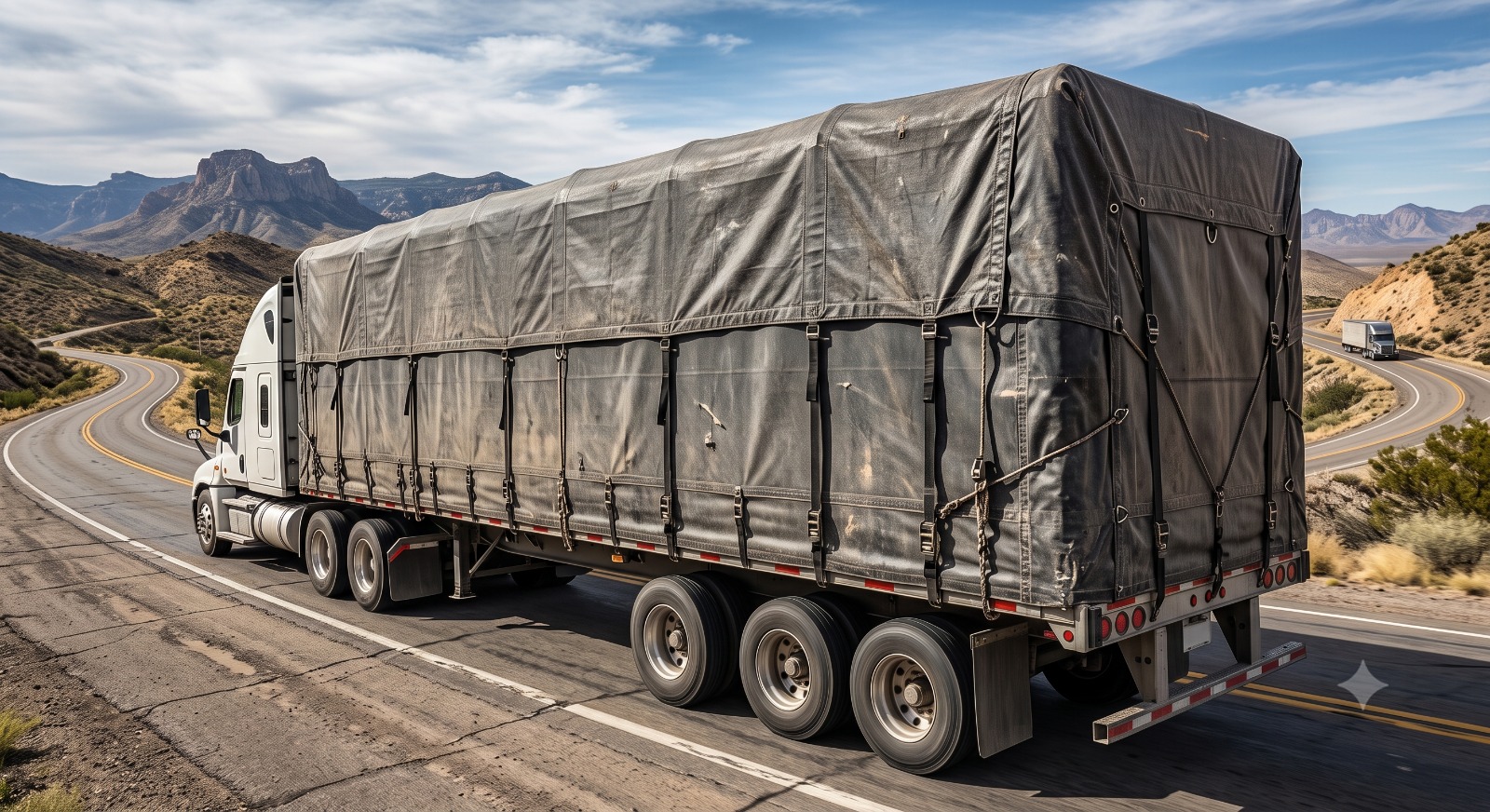
A truck cover doesn't get an easy life. It's strapped down at highway speed, dragged across load edges, rained on for hundreds of kilometres, and baked under direct sun on the next trip out. Whatever material sits on top of that cargo has to survive all of it without tearing, cracking, or letting water through. That's the job of abrasion resistant coated fabric — and it's a much more deliberate piece of engineering than it looks from the outside.
What Makes a Fabric "Abrasion Resistant"?
Abrasion resistance comes down to how well a fabric holds up against repeated rubbing, scraping, and friction — exactly what happens when a tarpaulin flexes against ropes, rubs on trailer edges, or shifts against cargo during transit. A woven base fabric on its own wears down quickly under this kind of stress. What changes the equation is the coating layer bonded onto that base.
Get In TouchA properly coated PVC fabric spreads the friction load across a tougher, more flexible surface instead of letting it wear directly into the weave. The coating also seals the fibres together, so even where the surface takes light scuffing, the underlying woven structure stays intact and the fabric keeps its strength.
Why Long-Haul Transport Is a Tougher Test Than It Sounds
Short trips barely stress a cover. Long-haul routes are a different story. Over a single journey, a truck cover fabric might deal with:
- Constant vibration and flexing against straps and hooks
- Sun exposure that can degrade untreated materials over time
- Rain, humidity, and temperature swings across different regions
- Dust, grit, and road debris that abrade the surface at speed
- Repeated folding, rolling, and unrolling between trips
This is why weatherproof tarpaulin fabric needs to combine two things at once — mechanical toughness to survive the physical wear, and weather resistance to survive everything the sky throws at it. A fabric that only handles one of these ends up failing the other way.
How the Coating Process Builds This Durability
Heavy duty transport fabric starts with a strong woven base, usually polyester, chosen for its tensile strength and resistance to stretching. This base then goes through a coating process where PVC is applied evenly across both sides, bonding into the weave rather than just sitting on top of it.
This coating does three jobs at once. It waterproofs the fabric completely, since even a small gap in coverage would let moisture through under sustained rain. It shields the base fibres from UV exposure, which would otherwise weaken the material over repeated cycles of sun exposure. And it toughens the surface itself, giving the fabric the rugged, scuff-resistant finish that separates a durable PVC fabric from a basic tarpaulin.
As fabric manufacturers and supplier, this coating stage is where we put the most attention — because everything the fabric is asked to survive on the road traces back to how well this layer is applied.
Does the Coating Affect Flexibility?
This is a fair question, because a fabric that's tough but stiff creates its own problems — cracking at fold lines, difficulty securing over irregular loads, and a shorter working life overall. A well-formulated coating is designed to stay flexible even while adding strength, so the fabric can be folded, rolled, and re-tensioned trip after trip without the coating splitting or peeling away from the base.
This balance between toughness and flexibility is really what separates a genuinely rugged fabric material from one that only performs well in controlled conditions.
Where This Fabric Is Used
Coated fabric built for abrasion and weather resistance shows up anywhere cargo needs a reliable cover on the move — flatbed truck covers, tipper covers, curtain-side panels, and general long haul cover fabric for goods transport. The common thread across all these uses is the same: the fabric has to protect what's underneath while handling constant physical stress itself.
If you're sourcing Truck Cover & Tarpaulin fabric manufacturers for a transport application, LUCKY-TECH Membranes supplies PVC coated fabric built around this same abrasion and weather resistance profile, asfabric manufacturers and supplier working directly with transport and logistics businesses.
FAQs
What causes truck cover fabric to wear out fastest?
Repeated friction against straps, load edges, and road debris is usually the biggest factor, along with prolonged UV exposure weakening the material over time.
Is PVC coated fabric fully waterproof?
Yes, a properly applied PVC coating seals the woven base completely, which is what makes it suitable for long-haul routes with unpredictable weather.
Can abrasion resistant fabric still be lightweight?
Yes — the coating adds toughness without necessarily adding excess weight, so the fabric stays practical to handle and secure.
Does coated fabric need special care during use?
Basic care like avoiding sharp contact points and drying the fabric before rolling it up for storage helps it perform well over repeated trips.
Get Your Free Quote Today!