
Biogas Domes vs Traditional Gas Holders: A Cost-Benefit Comparison
Biogas Domes vs Traditional Gas Holders: A Cost-Benefit Comparison
If you're upgrading a biogas plant or building one from scratch, you'll eventually land on this question: do you go with a steel gas holder, the way plants have done it for decades, or switch to a fabric biogas dome? It's not a small decision. The storage system you pick affects your upfront budget, your installation timeline, and your maintenance bills for years afterward. Here's an honest, real-world comparison.
Two Very Different Ways to Store Biogas
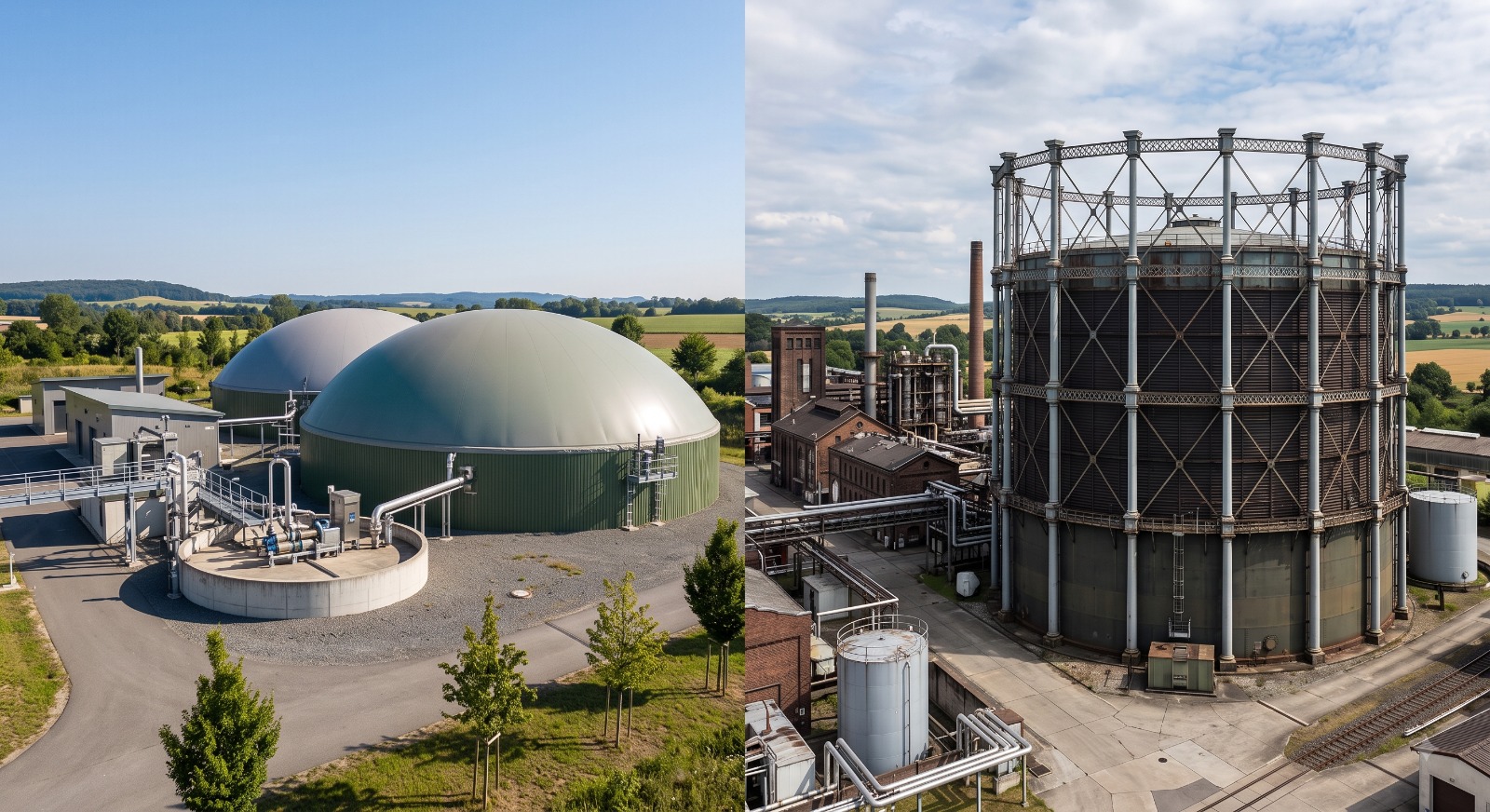
A traditional floating gas holder is a steel tank, usually with an inner floating drum that rises and falls as gas is produced and drawn off. It's the design most older plants still run today. Fabricators weld the shell on-site, and the whole thing sits on a concrete foundation.
Get In TouchA biogas dome, by contrast, is a flexible membrane structure — usually a double-membrane system made from PVC or PVDF-coated fabric. The outer membrane holds its shape using a small air blower, while the inner membrane expands and contracts as gas volume changes. No moving steel parts, no welding, no floating drum.
Both do the same job: store biogas safely until it's used. But how they get there, and what they cost you over time, is where the real differences show up.
Upfront Cost: Where the Bio Gas Dome vs Gas Holder Debate Usually Starts
This is the number everyone asks about first. Steel gas holders typically cost more upfront per cubic meter of storage, especially at larger capacities, because you're paying for raw steel, structural fabrication, anti-corrosion coating, and skilled welding labor. Steel prices also fluctuate, which makes budgeting harder if you're planning a project months in advance.
A biogas dome cost comparison usually favors the membrane option here. Fabric domes need less structural steel (mainly a base ring and anchoring system), and the membrane material itself, while specialized, is lighter to transport and quicker to fabricate. For mid-to-large biogas plants, this can mean a noticeably lower per-cubic-meter storage cost — often the single biggest reason plant owners make the switch.
Installation Time: Weeks vs Days
This is where the gap gets even more obvious. A steel gas holder installation involves on-site welding, curing, testing for leaks and corrosion protection, and multiple inspection stages. Depending on size, you're looking at several weeks to a couple of months, and weather delays are common since welding and coating work don't go well in rain.
A biogas dome, being a prefabricated membrane, arrives largely ready to install. Crews anchor the base, position the membrane, and pressurize the system. Many installations wrap up in days rather than weeks. For a plant that's losing production capacity during a storage upgrade, that shorter downtime alone can offset a chunk of the cost difference.
Long-Term Maintenance: The Number Most People Forget to Budget For
Steel holders are vulnerable to corrosion, especially in biogas environments where hydrogen sulfide is present. That means recurring costs for anti-corrosion coating, rust treatment, and eventually replacing degraded steel components. Moving parts like the floating drum and guide rails also need periodic mechanical servicing.
Membrane gas storage systems sidestep most of that. There's no steel to rust and no mechanical drum to service. The main upkeep is monitoring the blower system that maintains dome pressure and periodically inspecting the membrane for UV wear or punctures. Quality PVC/PVDF membranes are built with UV-stabilized, chemical-resistant coatings specifically to handle years of outdoor exposure, which keeps this maintenance list short.
Lifespan and Durability
Steel holders, if well maintained, can last decades — but "well maintained" is doing a lot of work in that sentence, and the maintenance cost adds up. Fabric domes typically carry a service life in the 15–25 year range depending on membrane grade and environmental conditions, with the membrane itself being replaceable without redoing the whole structure.
So, Which One Actually Costs More?
If you only look at sticker price and stop there, it depends on scale — very small holders can sometimes be comparably priced. But once you factor in installation time, corrosion maintenance, and the flexibility of a biogas plant upgrade down the line, fabric domes tend to come out ahead for most mid-to-large installations. Steel still has its place for very small-scale or highly specific engineering requirements, but for most operators comparing options today, the economics increasingly favor membrane systems.
Choosing a Fabric Partner Matters as Much as Choosing the Technology
Whichever system you lean toward, the membrane quality determines how much of that cost advantage you actually keep. A poorly made membrane wears out fast, and any savings from a shorter installation get eaten up by early replacement. This is why plant owners increasingly look for established Fabrics Manufacturers and Supplier in India who specialize specifically in gas storage applications rather than general tarpaulin or tent fabric.
Lucky-Tech Membranes has built its reputation as one of the more established Bio Gas Dome Fabric Manufacturers, working with PVC and PVDF-coated fabrics engineered for the pressure cycling, chemical exposure, and outdoor durability that biogas storage demands. If you're weighing a biogas plant upgrade and want to talk through which storage option fits your scale and budget, it's worth getting a specialist's read on your specific plant conditions before committing either way.
Get Your Free Quote Today!