
What is Biogas Dome? A Simple Guide to How It's Produced and Stored
What is Biogas Dome? A Simple Guide to How It's Produced and Stored
What Is a Biogas Dome? How Biogas Is Made, Stored and Held Safely
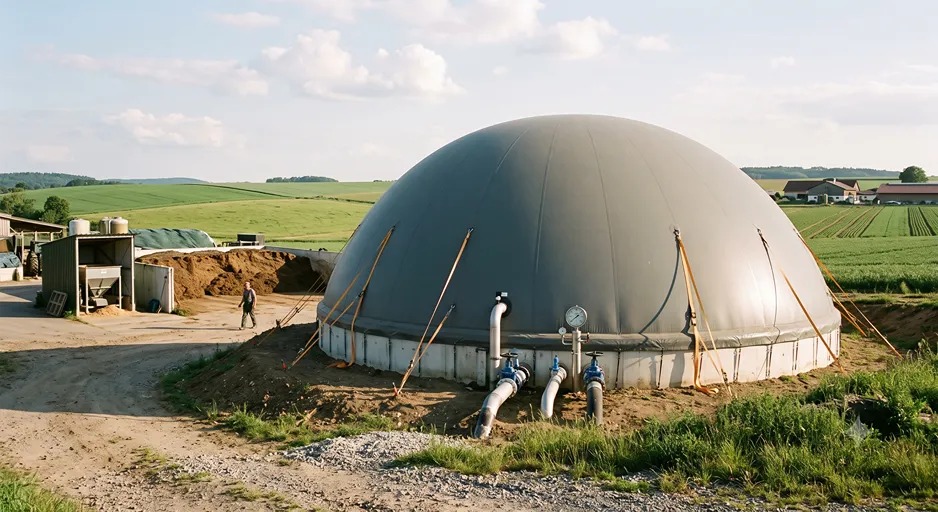
If you run a biogas plant, or you are planning one, you have probably heard the term "biogas dome." It sounds technical, but the idea behind it is simple. A biogas dome is the cover that sits on top of a biogas plant and holds the gas safely until it is used.
Get In TouchIn this guide, we will look at how biogas is made, how it is stored, and why the fabric used for the dome matters so much.
What is Biogas?
Biogas is a natural gas made when organic waste breaks down without oxygen. This waste can be cow dung, food scraps, farm waste, or sewage. Bacteria break the waste down inside a closed tank, called a digester, and release gas as a byproduct.
The main part of biogas is methane, along with some carbon dioxide and small amounts of other gases. This methane is what makes biogas useful as a fuel, for cooking, heating, or even generating electricity.
How is Biogas Produced?
The process of making biogas happens in a few simple steps:
- Feeding the digester – Organic waste is loaded into a sealed tank.
- Breaking down the waste – Bacteria inside the tank digest the waste over time, in an oxygen-free environment.
- Releasing gas – As the waste breaks down, it releases biogas, which needs to go somewhere.
- Storing the gas – This is where the biogas dome comes in.
Without a proper cover, the gas produced would simply escape into the air. That is a waste of fuel, and it is not safe either. This is why the dome, or gas holder, plays such an important role.
How is Biogas Stored? The Role of the Dome
A biogas dome is a flexible, gas-tight cover that floats or sits on top of the digester. As gas builds up inside the plant, the dome expands to hold it. As gas is drawn out for use, the dome contracts. This flexible design lets the plant store a changing amount of gas safely, without pressure building up too high.
For the dome to work well over time, the material it is made from needs to handle a few things at once:
- Stay airtight, so gas does not leak out
- Resist sunlight, rain, and changing weather
- Stay flexible, so it can expand and contract without cracking
- Resist the effects of the gas and moisture inside the digester
This is why plain plastic sheets or ordinary tarpaulin are not a good fit for this job. Biogas plants need a fabric that is built for this exact kind of use.
Why PVC and PVDF Coated Fabric Works Best for Biogas Domes
At LUCKY-TECH Membranes, we manufacture and supply PVC and PVDF coated fabric made specifically for biogas dome covers. This is a specialised textile, made by coating a strong base fabric with PVC or PVDF layers, which gives it the strength and weather resistance a biogas plant needs.
A good coated fabric for biogas storage should offer:
- Strong gas-tight sealing, so stored methane does not escape
- UV and weather resistance, since domes are installed outdoors and stay exposed to sun and rain
- Flexibility, to handle the constant expansion and contraction as gas is stored and released
- Long-term durability, so the cover holds up well under regular use
As a supplier working closely with plant owners, fabricators, and installers, we focus purely on the fabric side of the process — supplying reliable, coated material that partners can shape into biogas domes, balloons, and gas holder covers to fit different plant sizes. This is why many in the industry know us among the trusted Biogas Dome & Balloon Manufacturers for coated fabric supply.
If you are searching for PVC Fabrics Manufacturers and Supplier options for a new or upgraded biogas plant, working with a supplier who understands biogas-specific requirements makes a real difference to how long the cover lasts.
Who Uses Biogas Domes?
Biogas domes are used across a wide range of setups, including:
- Household and community biogas plants
- Dairy farms and cattle sheds
- Food waste and organic waste processing units
- Municipal and industrial biogas projects
Each of these setups may need a different dome size, but the fabric requirements stay largely the same: gas-tight, weather resistant, and flexible.
Frequently Asked Questions
What is a biogas dome made of?
A biogas dome is usually made from PVC or PVDF coated fabric. This material is flexible, airtight, and built to handle outdoor weather conditions over long-term use.
How long does a biogas dome fabric cover last?
It depends on the quality of the fabric, local weather conditions, and how well the plant is maintained. A good coated fabric is built to handle daily expansion and contraction along with sun and rain exposure.
Can biogas domes be custom sized?
Yes. Coated fabric covers can be made to fit small household digesters as well as large industrial biogas plants, depending on the project's needs.
Is PVC or PVDF fabric safe for storing methane gas?
Yes, when it is manufactured for this specific purpose. Fabric made for biogas storage is designed to stay gas-tight and handle contact with biogas over regular daily use.
Get Your Free Quote Today!