
Biogas Balloon Installation Guide: Step-by-Step Setup, Safety & Performance Tips
Biogas Balloon Installation Guide: Step-by-Step Setup, Safety & Performance Tips
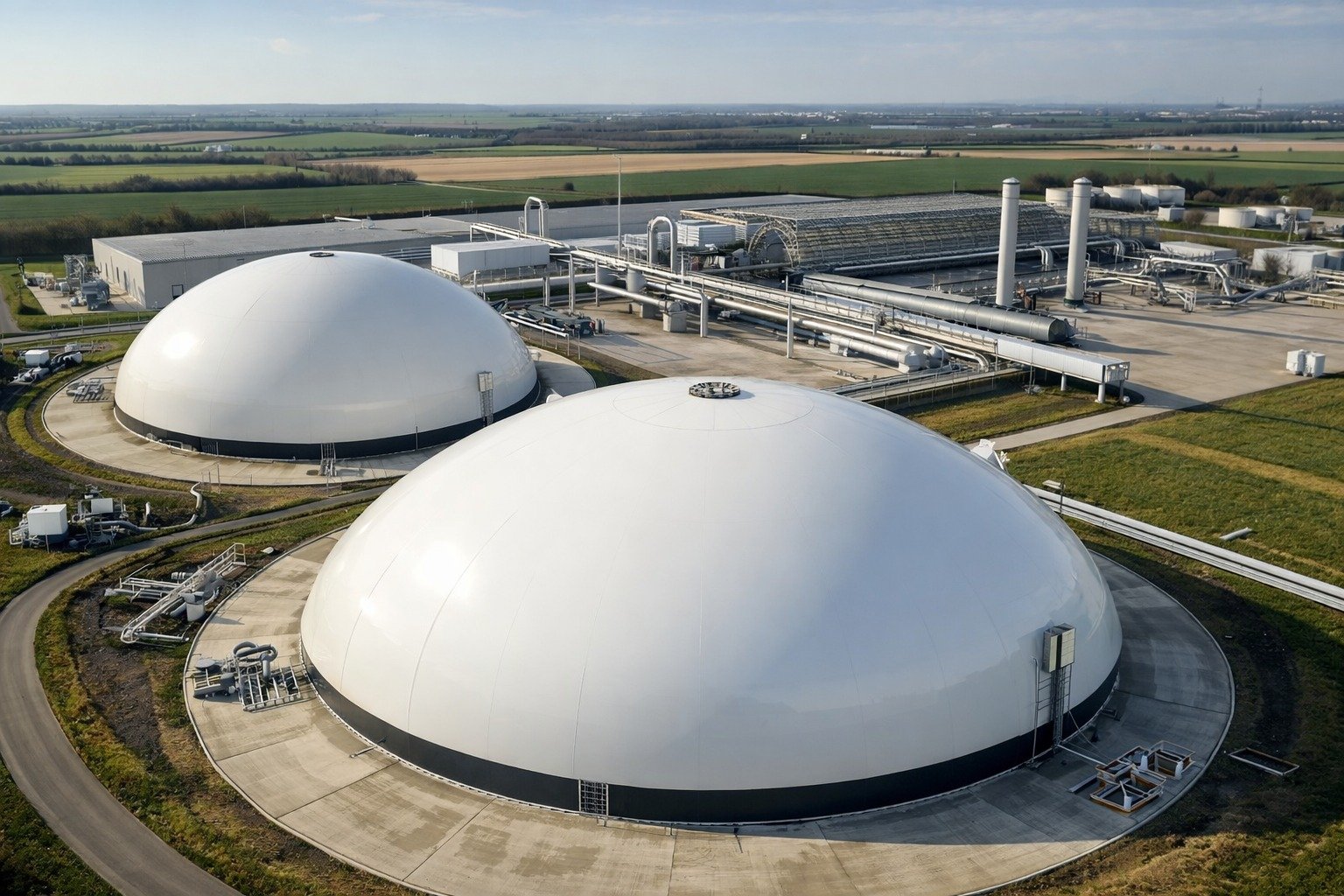
Biogas plants are expanding quickly across India due to rising demand for clean energy and waste-to-energy solutions. Along with the digester, one component plays a major role in plant performance: the biogas balloon.
A biogas balloon (flexible gas holder) stores biogases like methane and CO₂ produced inside biogas plants. It helps regulate pressure, improve gas availability, and make the system more efficient.
However, even the best-quality biogas balloon can fail early if installation is done incorrectly. In this guide, we’ll explain the step-by-step installation process, safety precautions, and performance tips to help you get the best life and output from your biogas storage system.
Table Of Contents:
- Why Proper Installation Matters
- Step-by-Step Biogas Balloon Installation Guide
- Safety Tips for Biogas Balloon Installation
- Performance Tips for Long-Term Life
- LUCKY-TECH MEMBRANES: Reliable PVC Fabric for Biogas Balloons in India
Why Proper Installation Matters
A biogas balloon is constantly under pressure and expands and contracts daily. Incorrect setup can lead to:
gas leakage
seam stress and early failure
balloon deformation
reduced storage efficiency
safety hazards
A correct installation ensures the balloon performs safely, maintains pressure stability, and lasts longer.
Step-by-Step Biogas Balloon Installation Guide
Step 1: Prepare the Installation Site
Before placing the biogas balloon, ensure the site is:
level and stable
free from sharp stones, metal pieces, or debris
protected from flooding and waterlogging
large enough for balloon expansion
Many failures happen because the ground surface damages the membrane from below.
Step 2: Install a Protective Base Layer
For long-term performance, it’s recommended to use:
concrete base (preferred for industrial biogas plants)
or
compacted soil with protective matting / geo-textile
This reduces puncture risk and improves stability.
Step 3: Position the Biogas Balloon Correctly
Unfold the biogas balloon carefully and avoid dragging it on rough surfaces.
Important tips:
avoid sharp pulling
ensure correct orientation of inlet/outlet points
keep the balloon away from corners, rods, or protruding bolts
Step 4: Connect Gas Inlet, Outlet & Safety Valves
A proper biogas balloon setup includes:
gas inlet connection from digester
gas outlet connection to generator/burner
pressure relief valve (PRV)
non-return valve (NRV)
condensate drain points
These components are essential for safety and stable biogas flow.
Step 5: Anchor the Balloon Securely
Anchoring is one of the most important steps.
A biogas balloon must be anchored to prevent:
movement due to wind
stress on inlet/outlet connections
uneven tension on the membrane
Use recommended anchoring methods such as:
edge clamps
concrete anchor points
steel base frames (for large balloons)
Step 6: Check Seams, Weld Lines & Connections
Before filling gas, inspect:
all seams
welding lines
valve connections
flange tightness
Even a small leak can cause continuous methane loss over time.
Step 7: Start Initial Inflation Slowly
During first-time operation:
start inflation gradually
monitor pressure
check for abnormal stretching
listen for leakage
Never rush the initial inflation process.
Safety Tips for Biogas Balloon Installation
Biogas contains methane, which is flammable. Follow basic safety rules:
keep the area smoke-free
avoid open flames near the balloon
ensure proper earthing (grounding)
keep electrical panels at a safe distance
install gas detectors if required for industrial sites
Also, always use trained technicians for installation.
Performance Tips for Long-Term Life
To improve lifespan and efficiency in biogas plants:
✅ Prevent Water Pooling
Ensure the balloon is installed with correct shape and support so rainwater does not collect.
✅ Clean the Surface Periodically
Dust and organic buildup can reduce coating life.
✅ Inspect Seams Every Few Months
Early repair prevents major damage.
✅ Maintain Pressure Control
Overpressure stresses seams and reduces membrane life.
LUCKY-TECH MEMBRANES: Reliable PVC Fabric for Biogas Balloons in India
At LUCKY-TECH MEMBRANES, we manufacture high-performance PVC coated fabric in India for demanding biogas applications. We also have an exclusive partnership with Sioen Industries (Belgium), helping us deliver membranes engineered for strength, durability, and long-term gas-tight performance.
📞 Need Technical Guidance or Biogas Balloon Fabric? Contact Us
📞 Call/WhatsApp: +91-86553 57854 / +91-9820325057
🌐 Website: https://luckytech.in/
📧 Email: info@luckytech.in
Get Your Free Quote Today!