Aesthetics of Tensile Fabric Structures
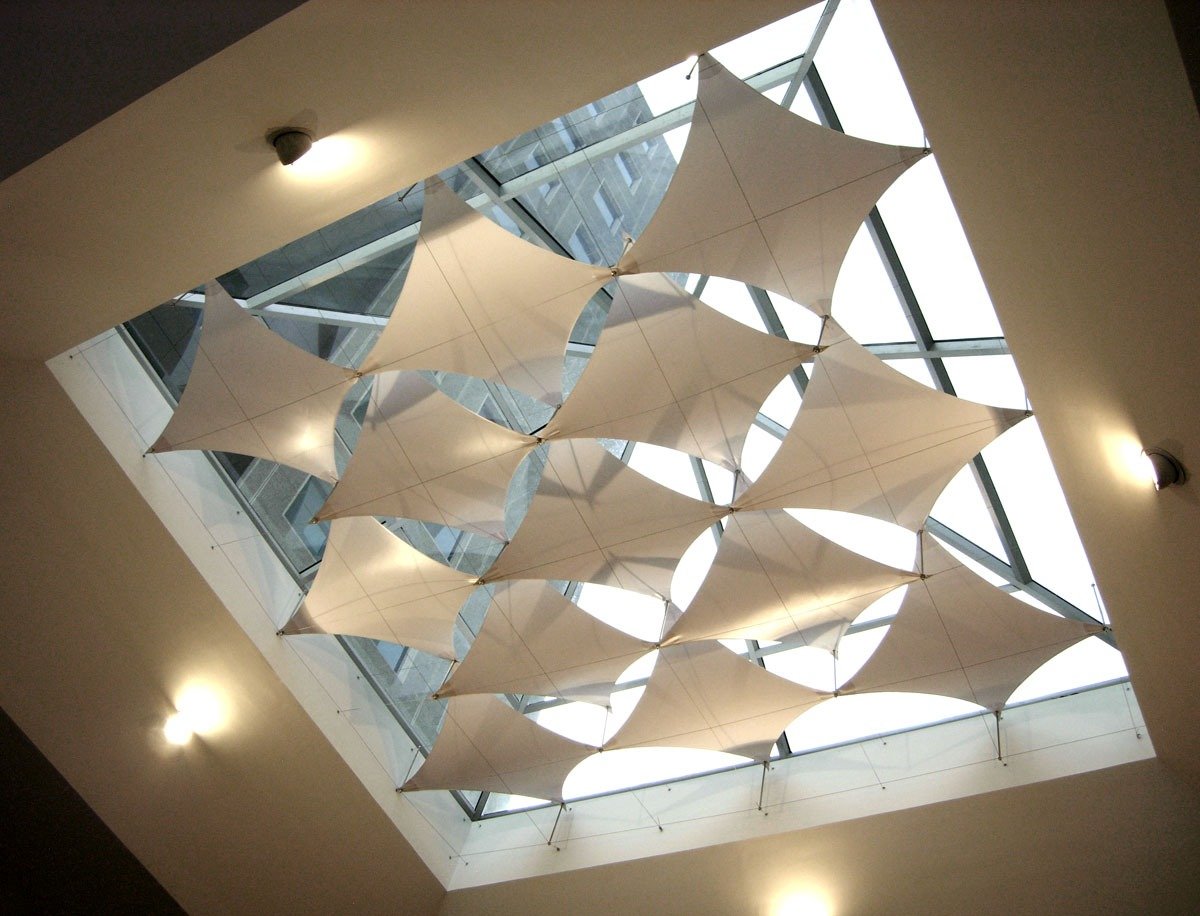
Tensile membrane structures have a unique visual character, giving designers, architects, and engineers the freedom to experiment with form and develop innovative solutions to conventional design challenges.
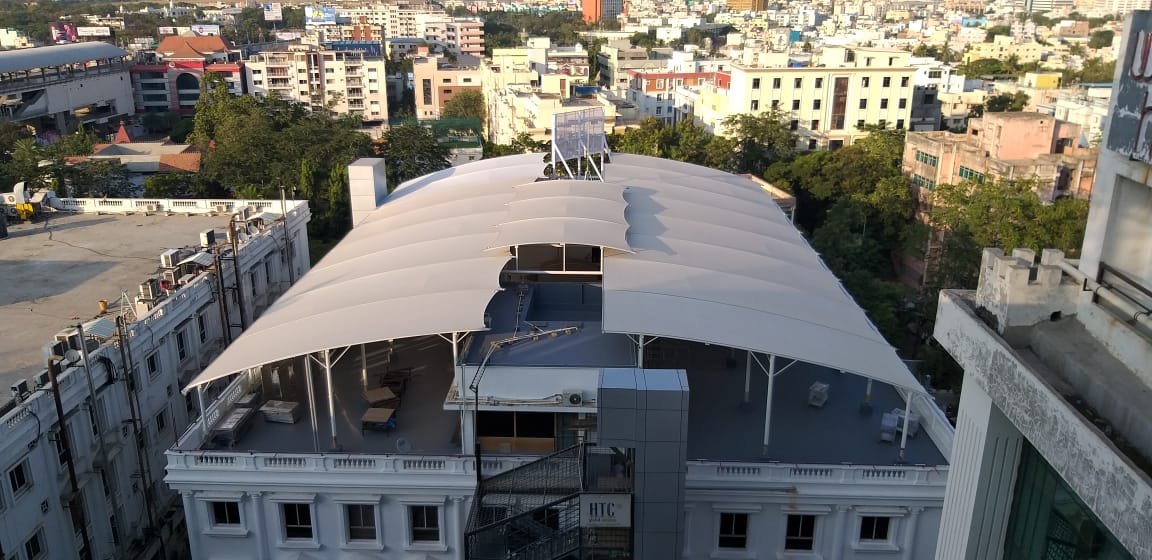
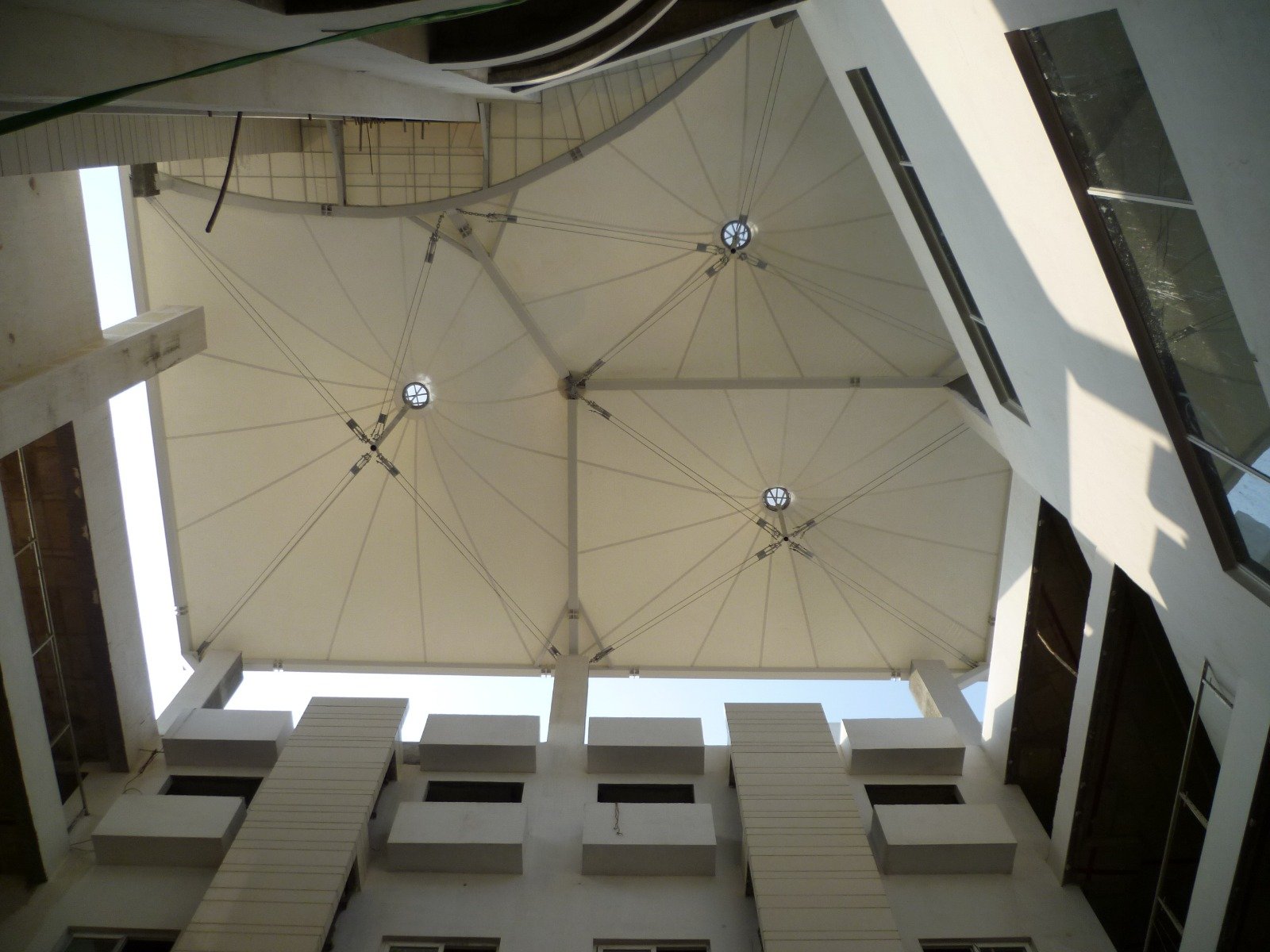
Fabric roof forms are curved between supporting elements in a way that reflects the natural flow of tension forces within the membrane. Except for air-supported structures, these curvatures are anticlastic in nature. While most contemporary construction relies on rectilinear forms, the flowing curves of fabric roofs create a dramatic and visually striking appeal.
Get In TouchTensile membranes can be used to construct roofs, façades, free-standing buildings, skylights, and accent enclosures. Distinct from traditional building materials both aesthetically and functionally, it is the unique combination of physical and geometric properties that makes tensile membrane structures truly iconic.
One of the most attractive features of tensioned fabric structures is their exceptional spanning capability. Architects often choose fabric membranes for athletic and entertainment facilities such as stadiums and amphitheaters due to their inherent visual drama and ability to cover large, column-free spaces. Various membrane materials are available to achieve signature designs, including PTFE Fiberglass, ETFE Film, PVC, and high-translucency PTFE.
Beyond aesthetics, fabric structures are environmentally responsible and economically competitive. Their lightweight nature reduces the need for heavy structural steel, resulting in lower construction costs and efficient long-span solutions. Additionally, building owners benefit from reduced maintenance requirements compared to conventional construction materials.
Get Your Free Quote Today!
Design & Functional Advantages
Tensile fabric structures are not only an architectural statement but also a high-performance building solution ideal for modern construction challenges
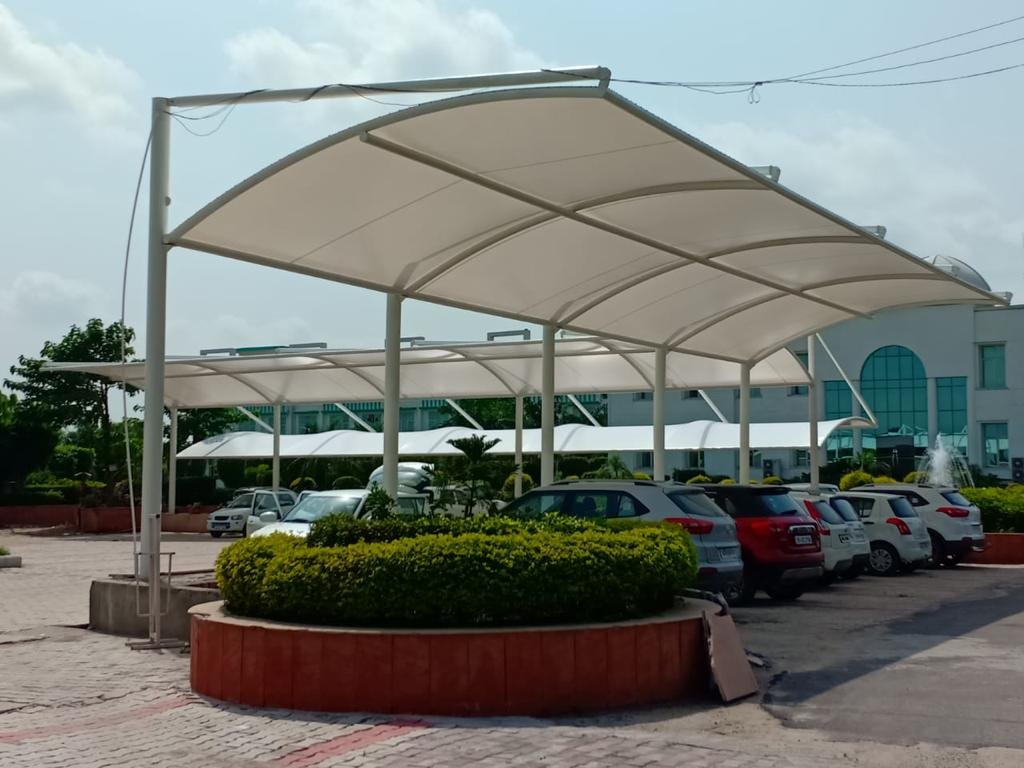
The flexibility of tensile fabric allows designers and engineers to create large, column-free spaces that are both functional and visually striking, from stadium canopies to outdoor commercial areas and transit shelters.
Unlike conventional roofing systems, a tensile structure harnesses tension in the membrane material to deliver strength with minimal use of structural supports, reducing overall project weight and enabling faster installations. This adaptive design makes tensile fabric structures India’s preferred choice for projects where aesthetics, performance, and efficiency all matter.